
Standing face-to-face with a wild mountain gorilla in the ancient rainforests of southwestern Uganda is widely regarded as one of planet Earth’s most profound wildlife encounters. Protecting over half of the world's remaining mountain gorilla population, Uganda provides an unparalleled sanctuary where high-impact conservation directly supports local communities.
To secure official Uganda Wildlife Authority (UWA) permits smoothly, explore our guide on how to book gorilla trekking permits online safely in Uganda, or review our main gorilla permit booking details.
The Ultimate Primate Encounter: What Makes It #1
Unlike standard game drives where animals are observed from a vehicle, gorilla trekking takes place entirely on foot. Guided by expert Uganda Wildlife Authority (UWA) rangers and trackers, guests navigate through dense vegetation in Bwindi Impenetrable National Park or Mgahinga Gorilla National Park until locating a habituated family.
- Strict Conservation Thresholds: Tracking groups are capped at exactly eight guests per gorilla family each day to protect primate health and minimize stress.
- One Unforgettable Hour: Once located, visitors spend a full hour observing natural behaviors, feeding rituals, juvenile play, and silverback leadership up close.
- Two World-Class Destinations: Choose between Bwindi’s four sectors (Buhoma, Ruhija, Rushaga, Nkuringo) or Mgahinga's scenic Virunga volcanic slopes. For a deeper destination breakdown, read our complete guide on where to go for gorilla trekking in Uganda.
_WxdKtKzGV.png?updatedAt=1789316754493)
Trek Day Operations: Orientation, Porters, & Accessibility Support
Every trekking morning begins at 7:30 AM at the designated national park headquarters with an mandatory safety and conservation orientation lead by senior UWA head rangers.
| Trek Phase | Essential Operational Details |
|---|---|
| Morning Briefing | Rangers cover trekking etiquette, safe distance guidelines (7-10 meters), health protocols, and assign trek groups based on fitness levels. |
| Porter Support Services | Hiring a local porter ($15–$20) is strongly encouraged. Porters carry daypacks, steady hikers over muddy slopes, and earn direct income that supports local households. |
| Sedan Chairs & Stretchers | Elderly, injured, or mobility-impaired guests can trek using specialized sedan stretchers carried by 8 to 12 strong local porters, ensuring gorilla trekking is accessible to all. |
| Ranger & Tracker Team | Advance trackers enter the forest at dawn to pinpoint family locations, communicating via radio to guide your trekking team efficiently. |

Rich Cultural Heritage: Coffee, Bananas, Traditional Doctors & Batwa Culture
Gorilla trekking in Uganda is much more than a forest hike; it offers an authentic immersion into the vibrant agricultural and cultural traditions of the communities surrounding Bwindi and Mgahinga:
Community Cultural Experiences Around the Parks
The Organic Coffee Tour: Walk through volcanic slope coffee gardens with local farmers. Pick ripe Arabica cherries, shell them using traditional wooden mortars, roast the beans over an open fire, and grind them into fresh, rich Ugandan coffee.
The Banana Processing & Waragi Gin Experience: Bananas are central to life in southwestern Uganda. Observe how sweet and green bananas are harvested, mashed, and fermented using sorghum to brew local banana beer (Tonto) and distilled into potent artisan banana gin (Waragi).
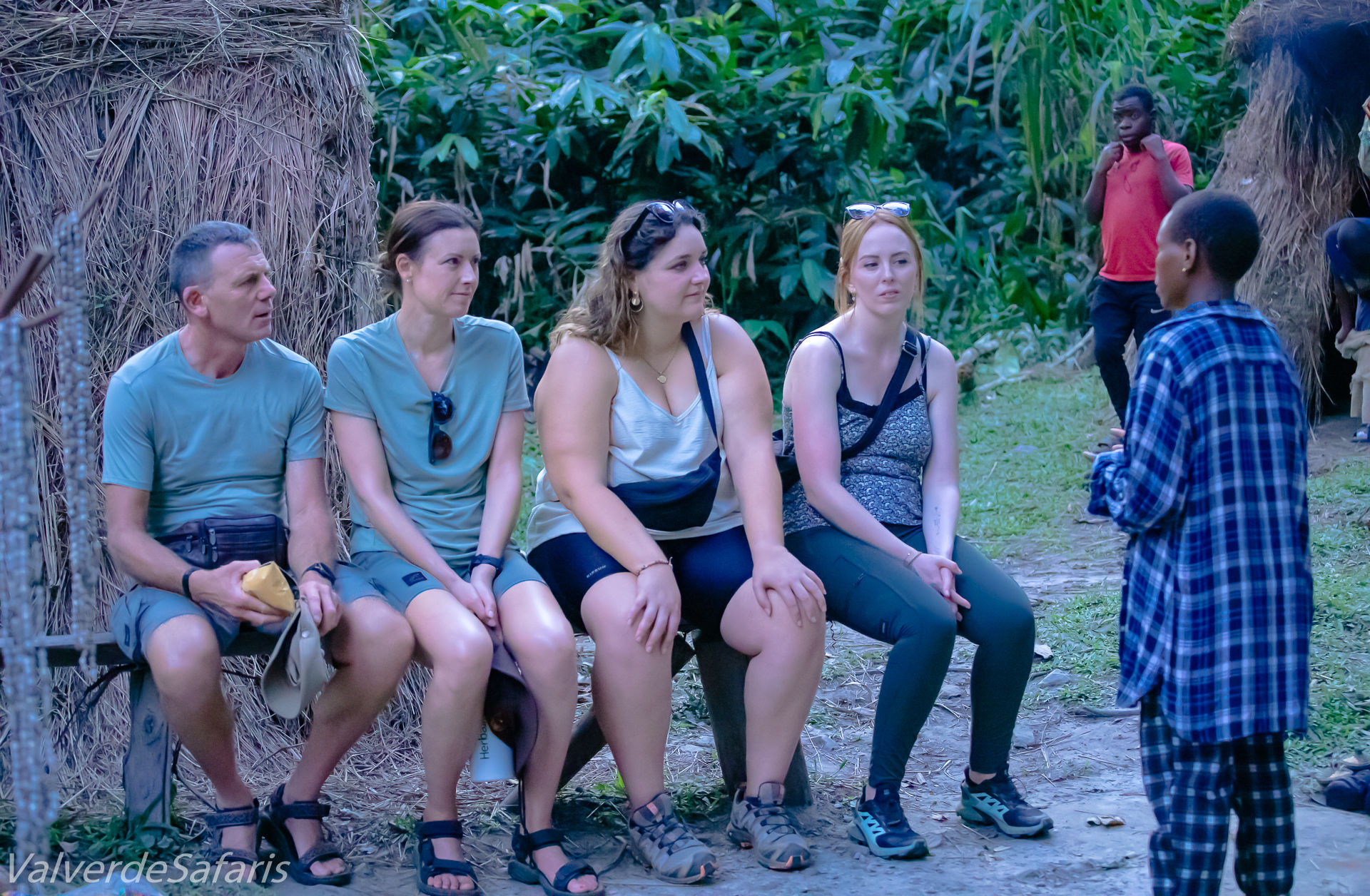
The Local Traditional Healer (Doctor): Visit local herbal practitioners to discover ancient natural medicines. Learn how indigenous trees, forest roots, barks, and leaves have been gathered for generations to treat common illnesses and wounds.
Batwa Indigenous Heritage Trails: Meet the original forest keepers on guided walks to hear traditional stories, observe ancestral survival techniques, and learn about forest conservation history.
Planning Your Gorilla Safari: Seasonality & Lodging
A successful gorilla trekking experience relies on selecting the right travel window and booking comfortable accommodations near your assigned park sector:
- Best Time to Visit: The dry seasons from June to September and December to February offer drier forest trails, clearer skies, and easier hiking conditions.
- Rainy Season Advantage: The wetter months (March–May and October–November) bring lush green landscapes, lower lodge prices, and easier permit availability.
- Safari Lodges & Accommodation: Options range from eco-budget campsites to mid-range forest lodges and ultra-luxury safari retreats. Explore choices in our curated lodge portfolio.
Featured Gorilla Trekking Safari Packages
Explore our popular, fully customizable safari packages designed around official gorilla permits:
- 3-Day Fly-In Bwindi Gorilla Trekking Safari: Direct domestic flights from Entebbe to Bwindi forest airstrips for a seamless weekend escape.
- 3-Day Gorilla Trekking & Lake Bunyonyi Safari: Scenic road travel combined with relaxation on Africa's second-deepest lake.
- 5-Day Uganda Gorilla & Kibale Chimpanzee Safari: Combine mountain gorilla tracking with wild chimpanzee trekking in Kibale Forest.
- 9-Day Rwanda & Uganda Big 5, Gorilla & Chimpanzee Safari: Cross-border expedition featuring gorillas, chimpanzees, and savanna wildlife drives.
- 10-Day Uganda Big 5, Gorilla & Primate Safari: Comprehensive circuit across Murchison Falls, Queen Elizabeth, and Bwindi.
- 14-Day Complete Uganda Wildlife & Gorilla Safari: The ultimate grand safari showcasing the full range of Uganda's natural beauty and wildlife.
Looking to tailor a customized itinerary starting from Kigali or Entebbe? Build your trip using our custom safari planner, or reach out to our team via our contact portal.
Frequently Asked Questions About Gorilla Trekking Requirements
1. What gear and clothes must I pack for trek day?
Essential items include waterproof hiking boots, gaiters, garden gloves, long trousers, breathable rain jackets, and a 20L daypack. Read our detailed guide on what gear you need for gorilla trekking and our complete safari packing guide.
2. What medical vaccinations and health documents are mandatory?
Uganda requires an official Yellow Fever vaccination card for entry. Anyone exhibiting infectious illnesses (such as flu or heavy colds) will not be permitted to trek, protecting wild gorillas from human pathogens. Review our health guide and required vaccinations for Uganda safaris.
3. What entry visa requirements apply for international travelers?
Visas must be applied for and approved online prior to travel via the official Uganda E-Visa portal. Learn more in our visa requirements guide and check our safari insurance advice.
4. How does gorilla trekking in Uganda compare with Rwanda?
Uganda permits cost $800 compared to Rwanda's $1,500, offering exceptional value alongside diverse forest ecosystems. Compare costs and logistics in our breakdown of gorilla trekking in Uganda vs Rwanda.
5. How early should I reserve my gorilla permits?
Due to limited daily supply, permits should be reserved 4 to 6 months in advance, particularly for travel during peak dry months (June–September and December–February).
Planning an African Safari Journey?
Our on-the-ground safari consultants in Kampala and Entebbe can design a bespoke itinerary tailored to your schedule, primate permits, and preferred lodge style.