

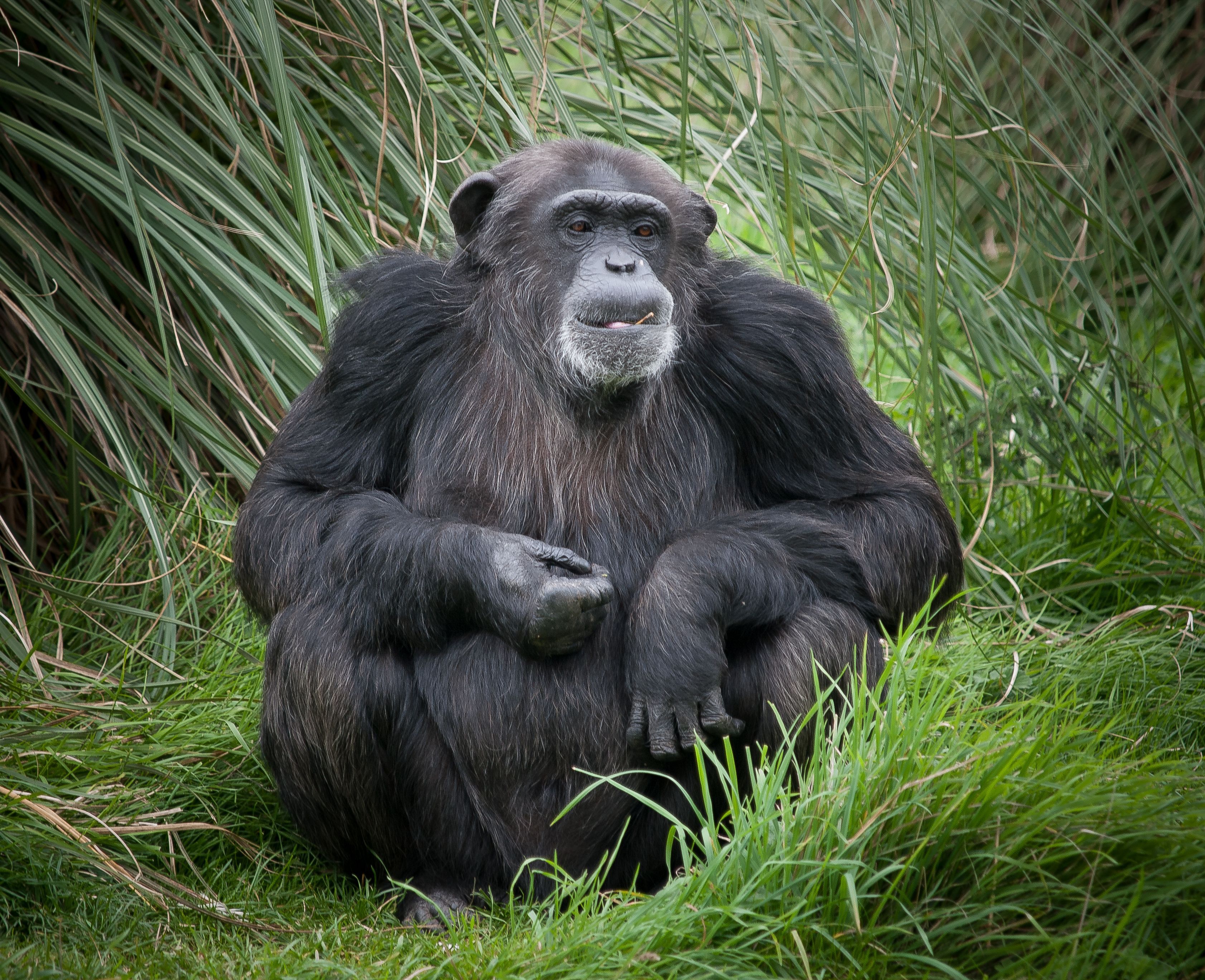
Kibale Forest National Park is a 321-square-kilometre protected rainforest in western Uganda and one of Africa's most important destinations for primate encounters. The park is best known for chimpanzee trekking and supports around 1,500 chimpanzees alongside 12 other primate species, forest elephants, more than 70 mammal species, and hundreds of bird species. Its Kanyanchu area is the main starting point for guided chimpanzee tracking and chimpanzee habituation experiences.
For detailed region-specific profiles, visit our official Kibale National Park page, explore our full Uganda travel guide, or read articles on our safari blog.

Primary Primate & Nature Experiences
Kibale Forest is renowned for its exceptional primate diversity, including chimpanzees, red colobus, black-and-white colobus, L'Hoest's monkeys, red-tailed monkeys, blue monkeys, and grey-cheeked mangabeys. The main experiences to consider are:
- Chimpanzee Tracking: Guided morning and afternoon walks begin from the Kanyanchu Visitor Centre. The trek follows a habituated chimpanzee community through the forest, with up to one hour of viewing once the chimpanzees are located.
- Chimpanzee Habituation Experience (CHEX): A longer experience that allows visitors to follow a semi-habituated chimpanzee community for much of the day alongside researchers and rangers. UWA guidelines allow up to four hours of chimpanzee viewing during a habituation experience.
- Bigodi Wetland Sanctuary Walk: A community-based nature experience near Kibale where visitors can look for monkeys, birds, butterflies, and wetland wildlife while learning about local conservation and community initiatives.
- Crater Lakes Exploration: The nearby Ndali-Kasenda crater lake area provides scenic viewpoints, forest and agricultural landscapes, village experiences, and opportunities to combine primate trekking with quieter countryside exploration.
Kibale Chimpanzee Trekking: Planning & Permits
Planning a Kibale safari is straightforward when the main requirements are arranged in advance. Before travelling, consider:
- Chimpanzee Permit Reservations: Chimpanzee tracking and habituation experiences require the appropriate authorization and scheduling through Uganda's wildlife management system. Reserve permits early through our safari permits page.
- Accommodation: Accommodation around Kibale ranges from luxury forest lodges and eco-lodges to mid-range cottages and budget camps. Browse options in our safari lodges guide.
- Best Time to Visit Kibale: Chimpanzee tracking takes place throughout the year. Drier periods can make forest trails easier to navigate, while wetter periods can provide favorable forest conditions and abundant food for chimpanzees. Check seasonal information in our safari calendar.
- What to Pack: Lightweight long trousers, long-sleeved clothing, sturdy hiking shoes or boots, gaiters, rain protection, drinking water, and insect repellent are useful for rainforest trekking. See our recommended packing list.
- Uganda Entry Requirements: International travellers should check current passport, visa, vaccination, and entry requirements before departure. For practical planning information, visit our visa information section.
Combining Kibale with Other Uganda Safari Destinations
Kibale fits naturally into a western Uganda safari and can be combined with Queen Elizabeth National Park, Bwindi Impenetrable National Park, Lake Mburo, or other destinations depending on the length of the trip. Travelers with more time can also extend their Uganda itinerary toward the east:
- Jinja & River Nile: Jinja is known for Nile-based activities including white-water rafting, kayaking, boat excursions, and visits around the Source of the Nile. It can be added to longer Uganda itineraries before or after a western Uganda safari.
- Mount Elgon National Park: Eastern Uganda's Mount Elgon region offers hiking, highland scenery, waterfalls, caves, and cultural experiences. It provides a contrasting landscape to Kibale's tropical rainforest.
- Sipi Falls: Located on the slopes of Mount Elgon, Sipi Falls features three major waterfalls surrounded by green agricultural hills. Guided waterfall walks, coffee experiences, and community visits can be incorporated into longer Uganda routes leading toward Kidepo Valley National Park.
- Queen Elizabeth National Park: Combining Kibale with Queen Elizabeth National Park creates a strong primate-and-wildlife itinerary, with chimpanzee trekking followed by savannah game drives and a Kazinga Channel boat safari.
- Bwindi Impenetrable National Park: Kibale can also be paired with Bwindi for an itinerary focused on both chimpanzee and mountain gorilla trekking in Uganda.
Kibale Primate Experience Comparison
| Experience Type | Key Highlights & Duration | Activity Level |
|---|---|---|
| Standard Chimpanzee Tracking | 1-hour observation time with habituated troop; 2–4 hours total forest walking. | Moderate |
| Habituation Experience (CHEX) | Full-day tracking experience alongside research teams observing semi-habituated chimpanzees. | Moderate to High |
| Bigodi Swamp Nature Walk | 2–3 hour guided boardwalk trail focused on primates, turacos, and community interaction. | Easy |
Featured Uganda Safaris Including Kibale
Kibale Forest can be incorporated into Uganda safari itineraries ranging from short chimpanzee-focused trips to longer journeys combining primates, gorillas, Big 5 wildlife, and multiple national parks:
- 5-Day Gorilla & Kibale Chimpanzee Safari
- 6-Day Big 5 & Kibale Chimpanzee Safari
- 10-Day Big 5, Gorillas & Chimpanzees Safari
- 10-Day Luxury Gorillas & Primates Safari
- 14-Day Grand Uganda Wildlife Expedition
- Complete Africa Safaris Collection
Learn more about Valverde Safaris, read traveler feedback on our reviews page, discover private safari options, or build a custom route with our interactive trip planner.
Frequently Asked Questions About Kibale Forest National Park
1. How long does chimpanzee tracking take in Kibale Forest?
A standard chimpanzee tracking experience in Kibale can take several hours, depending on the location and movement of the chimpanzees, weather, and forest conditions. Under current Uganda Wildlife Authority guidelines, normal chimpanzee viewing is limited to a maximum of one hour once the chimpanzees are located. See our Kibale National Park guide for more trip-planning information.
2. What is the minimum age for chimpanzee trekking in Kibale?
Age requirements for chimpanzee tracking are set by the Uganda Wildlife Authority and can be subject to current park regulations. Because requirements may change, travellers should confirm the applicable age limit when booking their permits. For broader Uganda safari planning, visit our safari permits page.
3. What is the difference between chimpanzee tracking and the habituation experience in Kibale?
Chimpanzee tracking focuses on locating and observing a habituated chimpanzee community, with normal viewing limited to one hour. The Chimpanzee Habituation Experience is a longer research-oriented activity involving semi-habituated chimpanzees, with UWA guidelines allowing up to four hours of viewing. See our Uganda travel guide when comparing safari experiences.
4. When is the best time to visit Kibale Forest for chimpanzee trekking?
Chimpanzee tracking is available throughout the year. Drier months can provide easier trail conditions, while wetter periods can offer good forest conditions and plentiful food for chimpanzees. The ideal timing depends on whether your priority is trekking conditions, photography, birding, or combining Kibale with other Uganda destinations. Check our safari calendar for seasonal planning.
5. Can Kibale Forest be combined with gorilla trekking and Uganda's Big 5 parks?
Yes. Kibale is commonly incorporated into longer western Uganda safari routes that combine chimpanzee trekking with Queen Elizabeth National Park, Bwindi Impenetrable National Park, Lake Mburo, and other destinations. Longer itineraries can combine primate trekking with savannah game drives and gorilla trekking. Explore our safari collection for examples of multi-day routes.
Planning an African Safari Journey?
Our on-the-ground safari consultants in Kampala and Entebbe can design a bespoke itinerary tailored to your schedule, primate permits, and preferred lodge style.